We Don't Guess.
We Measure.
Every Immunocine treatment is accompanied by structured clinical monitoring and advanced immune profiling. Our goal is simple: if we are engaging the immune system, there should be measurable evidence of that engagement.
Apply for TreatmentOur Approach to Measuring Immune Response
Monitoring data is collected to inform treatment decisions and to provide patients and physicians with transparency. Each patient receives a treatment report summarizing key findings, trends, and observations from the monitoring process. We are committed to:
Communication
Cancer remains a complex and serious challenge. No monitoring system eliminates that reality. But observing measurable immune and tumor-related changes provides insight, accountability, and clarity.

Imaging
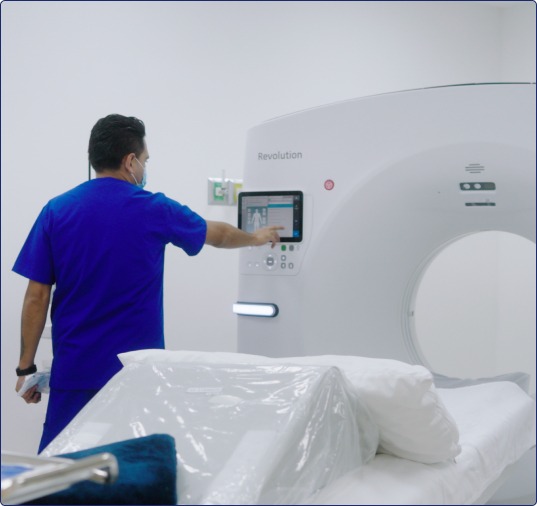
Before treatment, patients undergo baseline imaging. Follow-up scans are performed during treatment to evaluate structural changes.
What We Monitor


Immune activation can present differently than traditional cytotoxic tumor shrinkage. In some cases, immune engagement may initially appear as swelling or inflammatory change before structural reduction occurs. We interpret imaging within that immunologic context. Imaging provides an essential structural snapshot — and serves as one piece of a larger monitoring strategy.
Bloodwork
Routine laboratory testing offers valuable systemic insight.
Examples of Markers Evaluated


Shifts in immune cell ratios and inflammatory markers can provide early signals that immune mobilization is occurring. For example, changes in lymphocyte distribution may reflect immune cells leaving circulation and migrating toward tumor sites. While laboratory trends must always be interpreted carefully and in context, they often contribute meaningful data to the overall picture. Standard bloodwork helps us observe how the immune system is responding at a systemic level.

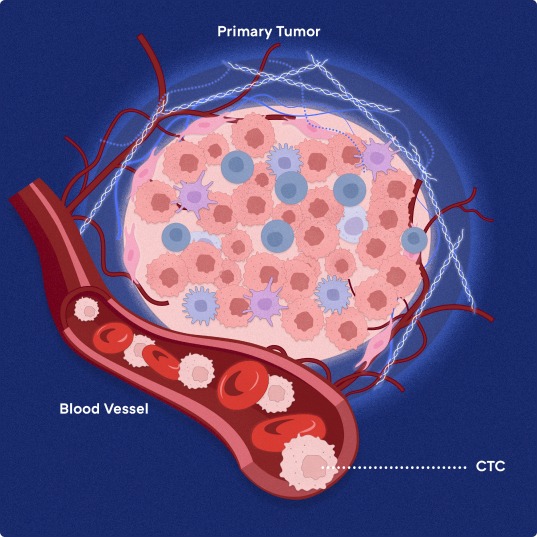
Circulating Tumor Cell (CTC) Gene Analysis
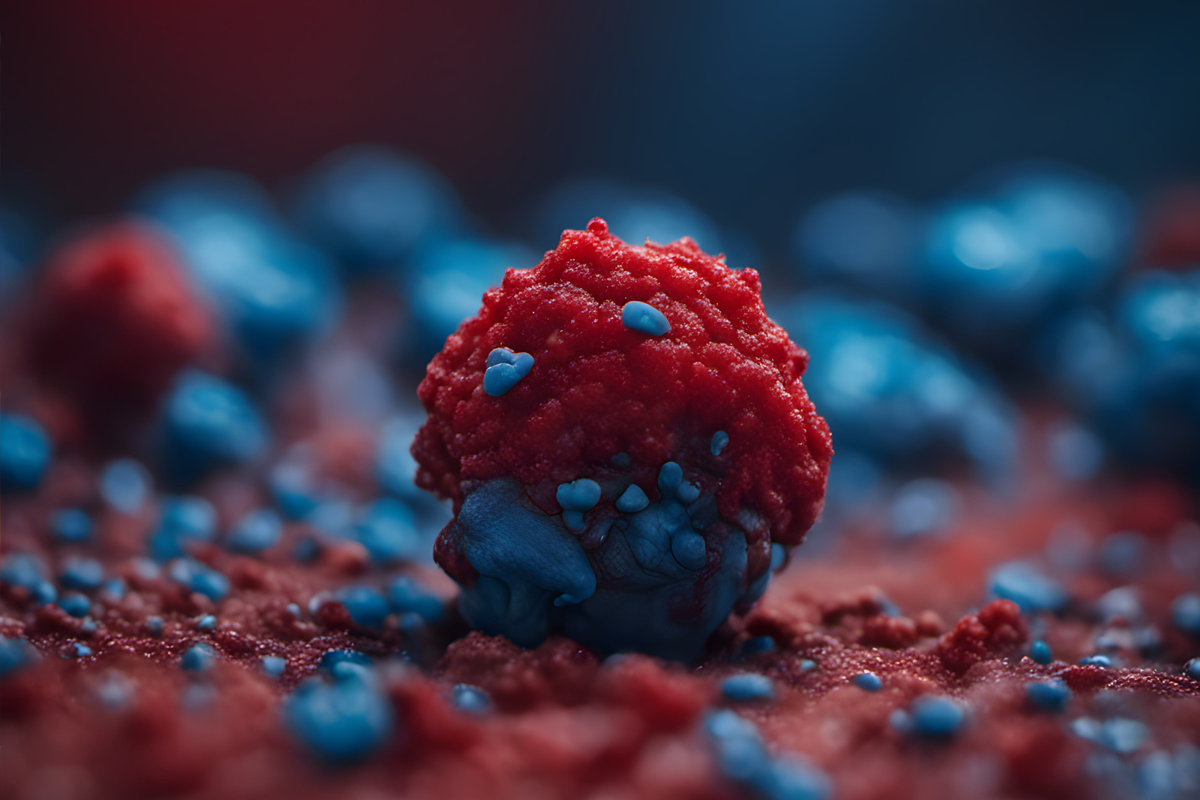
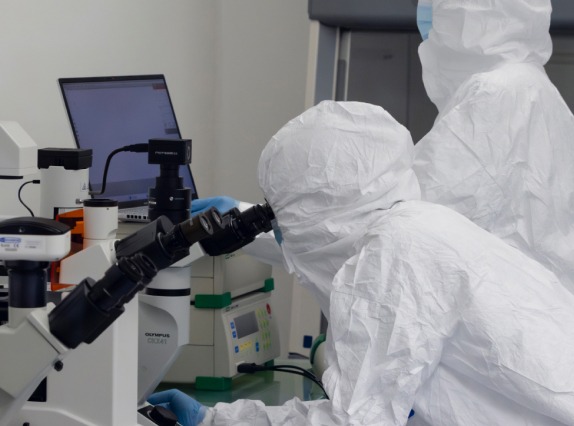
Circulating Tumor Cells (CTCs) are cancer cells that have detached from primary or metastatic lesions and entered the bloodstream. We analyze these cells at baseline and during treatment to evaluate gene signatures related to:
Changes in gene expression patterns over time can provide insight into how tumor biology may be responding to immune pressure. In some cases, markers associated with growth or immune suppression may decrease. In other cases, gene signatures may shift in ways that suggest altered tumor behavior. These findings are interpreted cautiously and always in conjunction with clinical context — but they add an additional biological layer beyond imaging alone. CTC analysis allows us to examine tumor dynamics in real time.
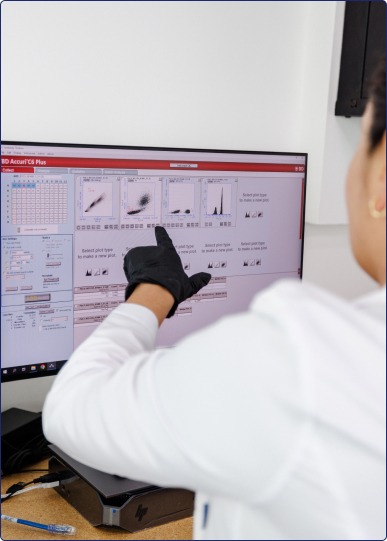
Deep Immune Profiling (Flow Cytometry)
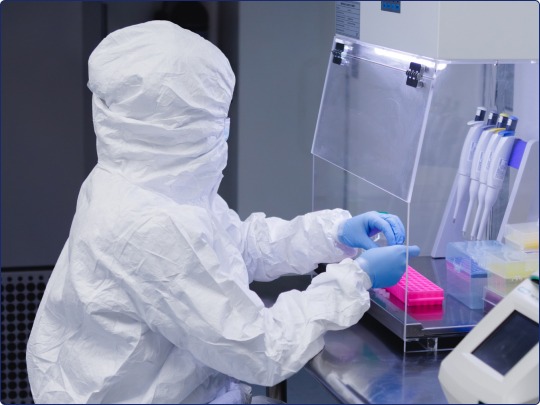
Flow cytometry is one of the most powerful tools in modern immunology, allowing scientists to evaluate immune cells at the single-cell level. At Immunocine, we use this technology to analyze immune cell populations before and during treatment, helping us understand how each patient's immune system is responding.
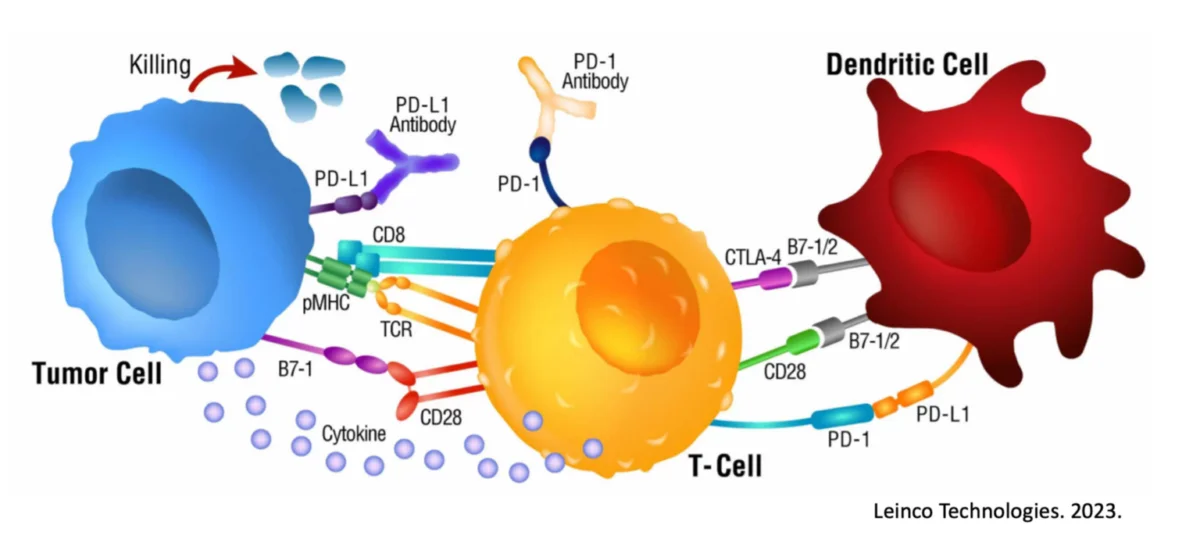
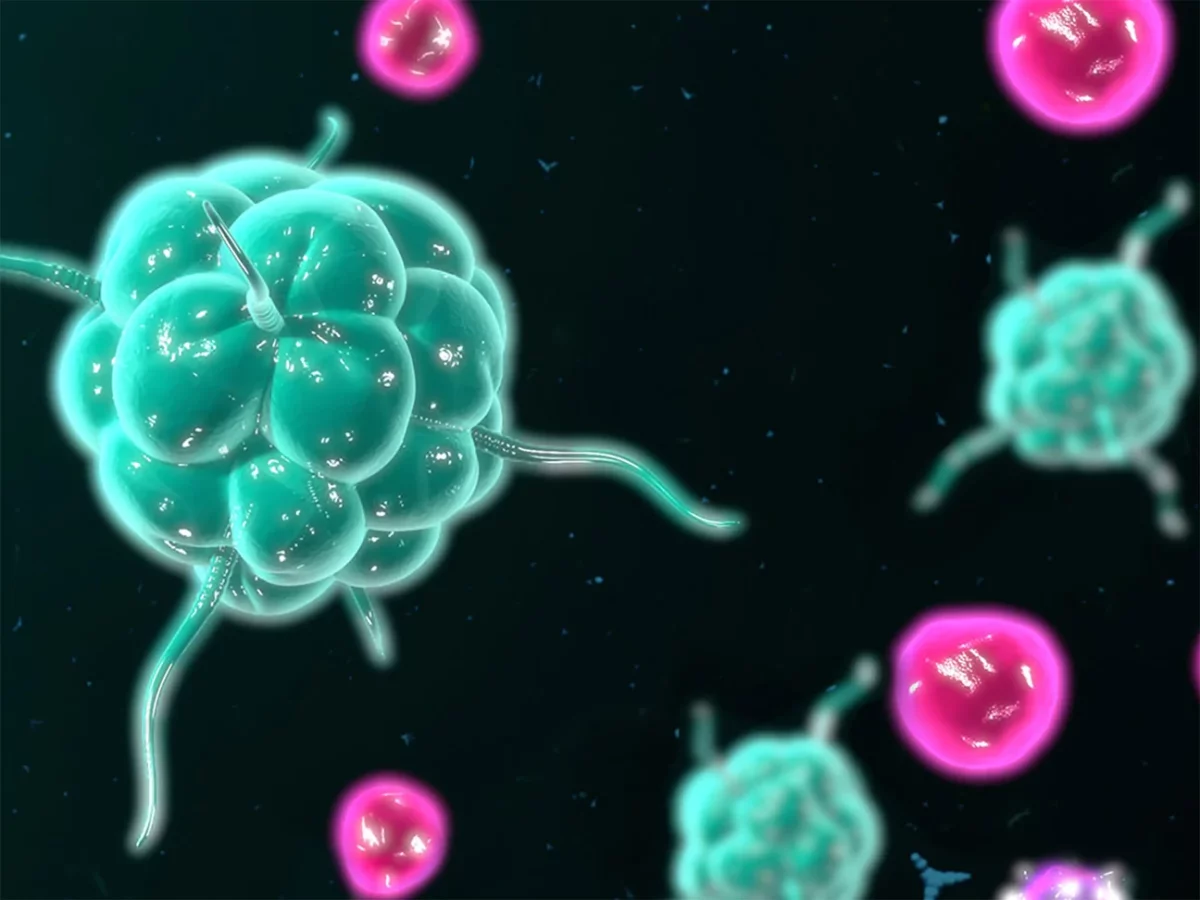
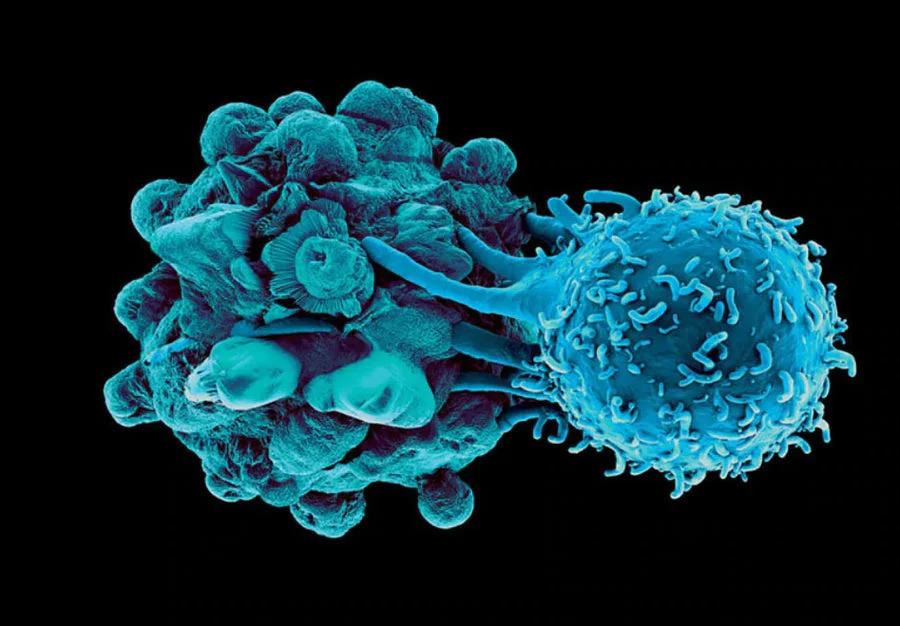
Following treatment with Immunocine's Dendritic Cell Therapy (IDCT), shifts in immune cell populations can often be observed. These changes can reveal meaningful signs of immune reprogramming — including increased activation of cancer-fighting T-cells, development of immune memory, and reductions in suppressive immune signals — all driven by the patient's own fixed dendritic cells presenting tumor information back to the immune system.
Some Markers we evaluate for changes



Additional Immune Analysis
Beyond imaging, routine labs, CTC analysis, and flow cytometry, we may also perform:


These tests help further characterize immune signaling and functional capacity. Immunocine prioritizes data collection and scientific rigor. Monitoring is not an afterthought — it is central to our approach.