On Air with Immunocine: Dr. Matt Halpert Discusses the Future of Dendritic Cell Immunotherapy on The Moss Report
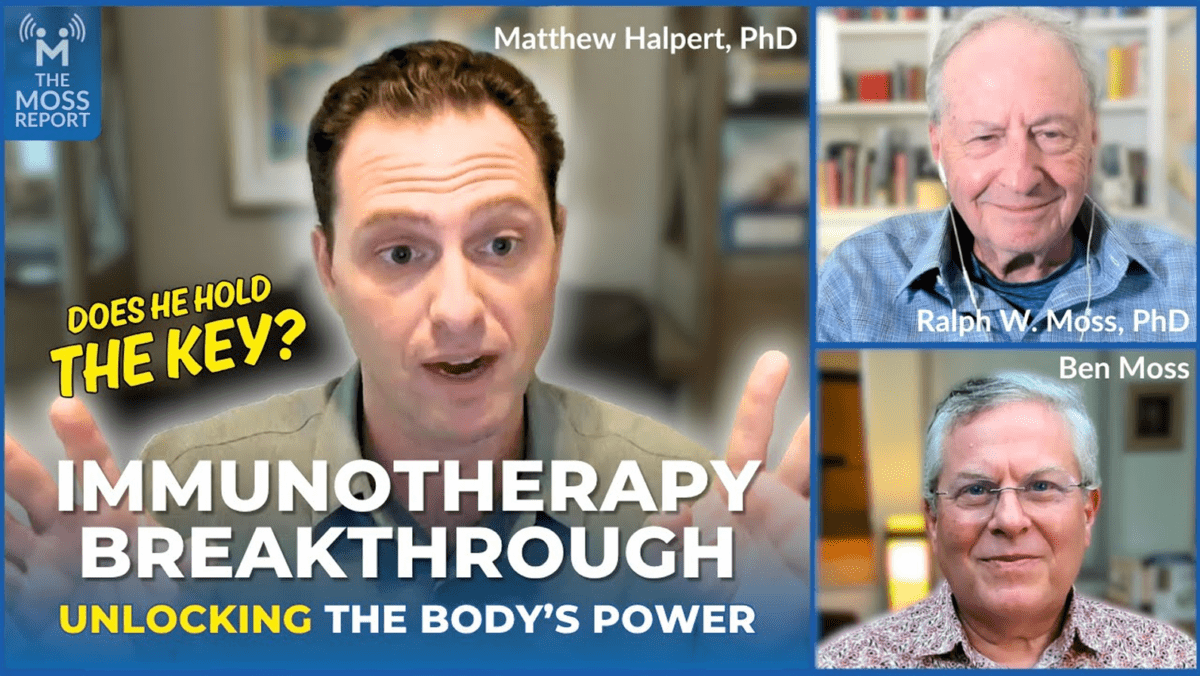
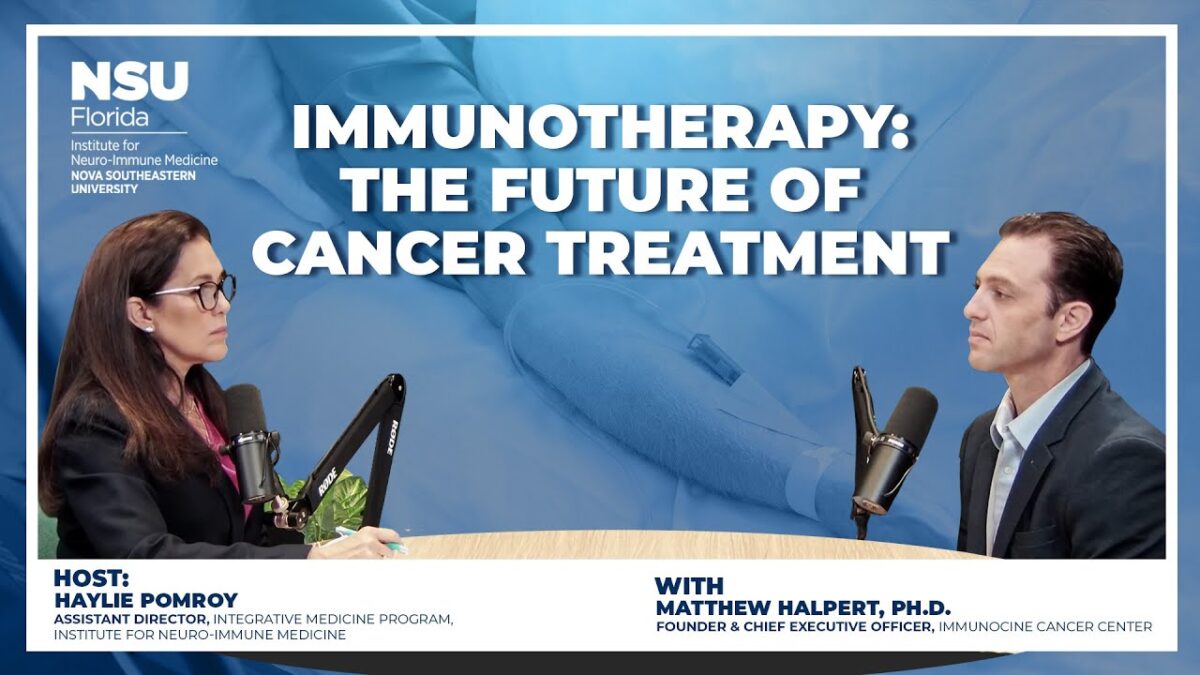
Matt Halpert, PhD, recently joined Ben Moss and Ralph W. Moss, PhD, on The Moss Report for a wide-ranging conversation about dendritic cell biology, personalized immunotherapy, and the questions researchers are still working to answer.
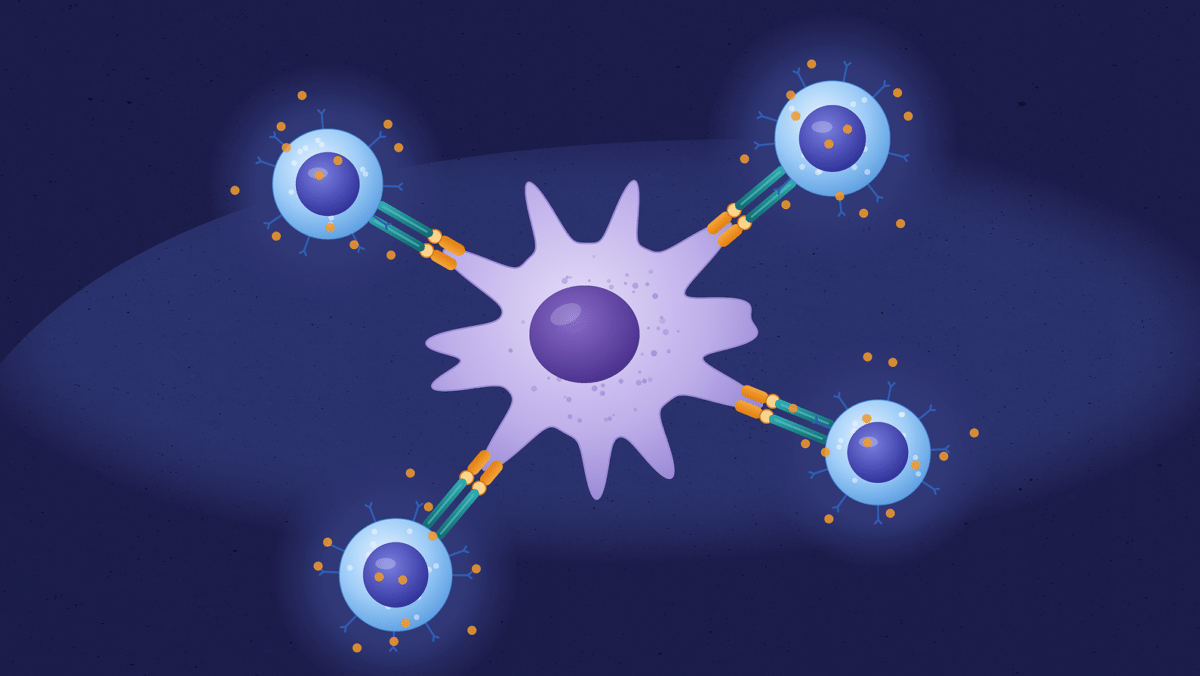
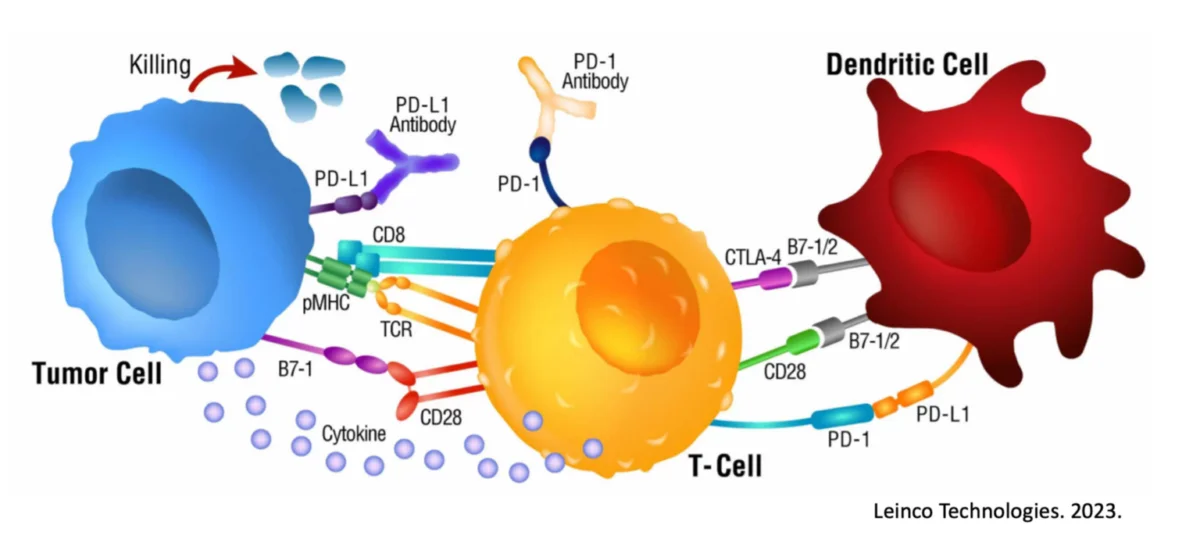
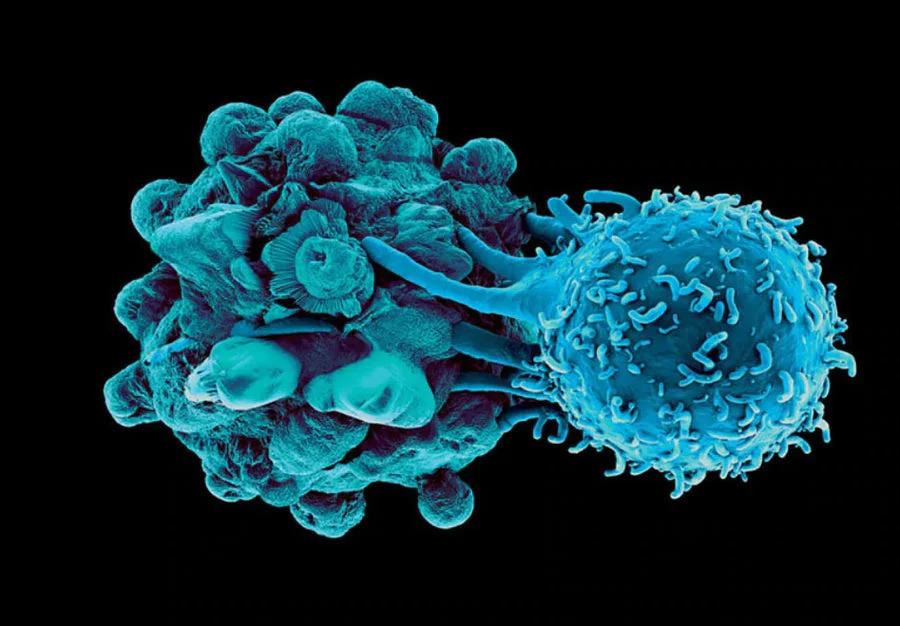
Dendritic cells serve as one of the immune system’s primary coordinators, capturing tumor-associated signals and presenting them to T cells to help initiate a targeted immune response. But simply introducing a dendritic cell is not enough—the quality and breadth of its activation can help determine the strength and specificity of the downstream immune response.
Throughout the conversation, Dr. Halpert explores how mRNA and other activation signals can be used to more fully inform dendritic cells, providing multiple forms of tumor-specific information rather than relying on a single antigen or signal. It speaks to a central challenge in cancer immunotherapy: how do you give the immune system the clearest possible picture of the cancer it is being asked to recognize?
Dr. Halpert also shares his perspective on how a deeper understanding of dendritic cell biology is shaping increasingly personalized therapeutic strategies—and what continued advances in the field could mean for the future of cancer immunotherapy.
READ THIS NEXT
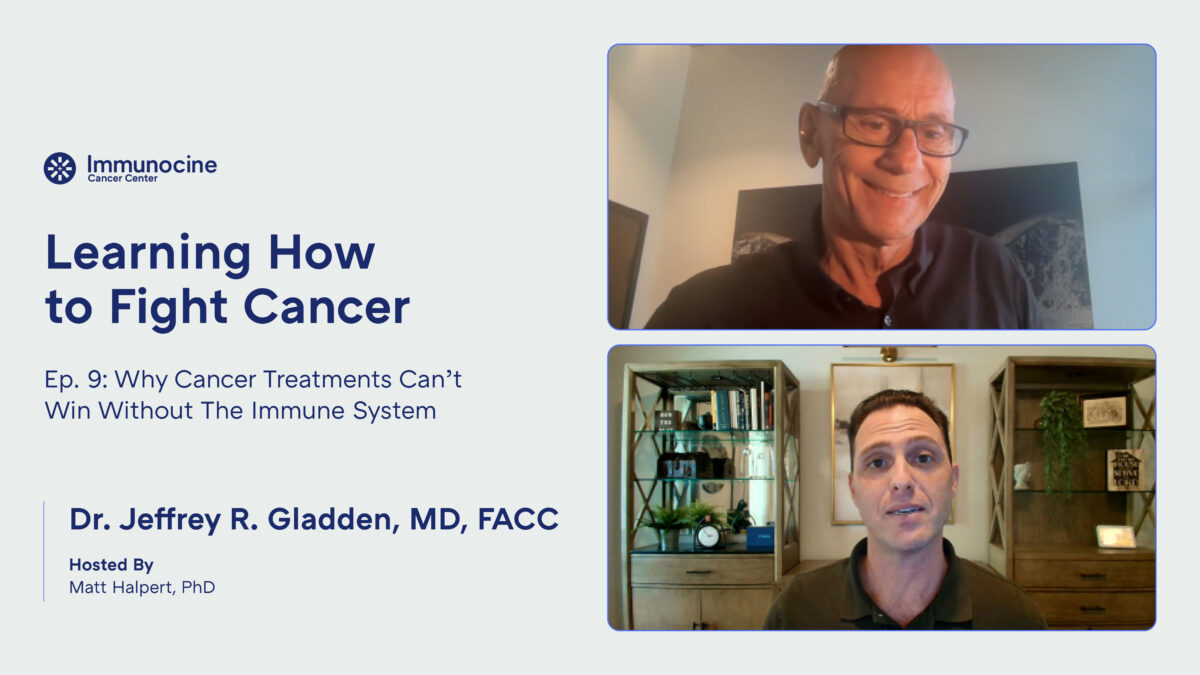
Learning How to Fight Cancer Ep. 9: Cancer Treatments and the Immune System with Dr. Jeffrey Gladden
In this episode of Learning How to Fight Cancer, Dr. Matt Halpert sits down with Dr. Jeffrey Gladden, founder of Gladden Longevity and longt
Read More
Life After Cancer: Ed Beats Stage 4 Prostate Cancer
Ed never expected a routine annual physical to lead to a prostate cancer diagnosis. He had no symptoms and had rarely been sick throughout h
Read More
Life After Cancer: Hope’s Stage 4 Breast Cancer Story
Hope and her husband, Phil, were planning a retirement on the water. A mammogram replaced that with Stage 4 metastatic breast cancer. Two ch
Read More
Recent Stories