Life After Cancer: Ed Beats Stage 4 Prostate Cancer
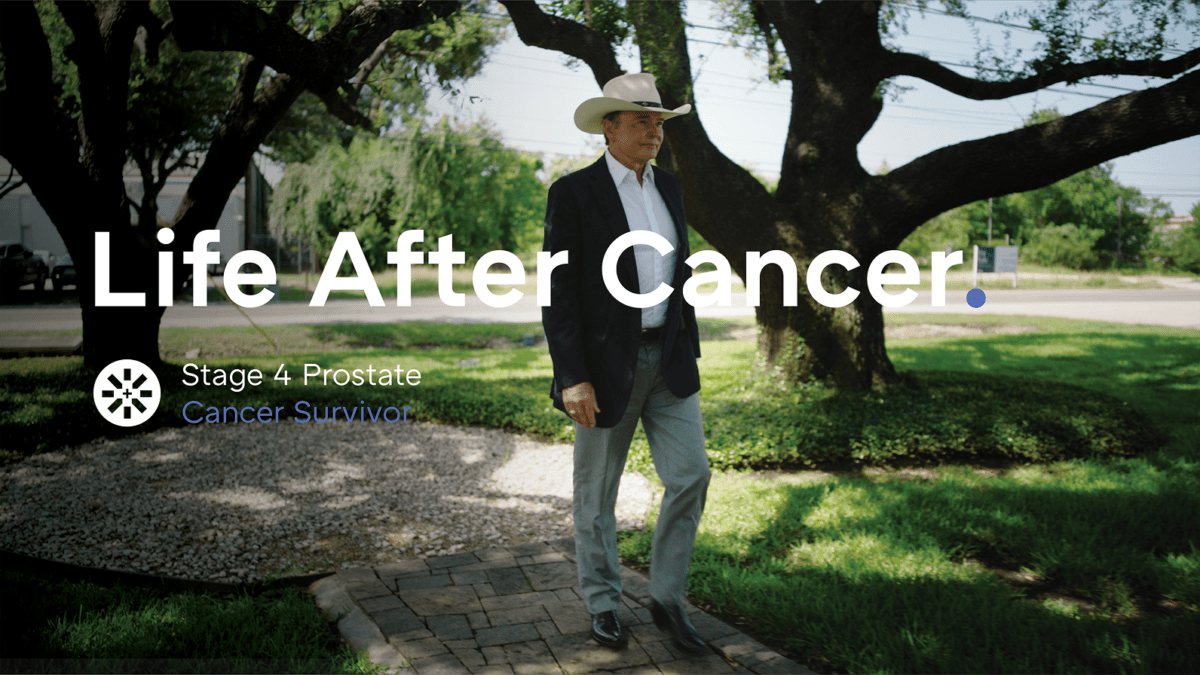
Ed never expected a routine annual physical to lead to a prostate cancer diagnosis. He had no symptoms and had rarely been sick throughout his life. His PSA was still considered within the normal range for someone his age, but the number had risen and Ed wanted to understand why.
That question led to further testing and, eventually, a diagnosis of an aggressive form of prostate cancer. In typical Ed fashion, he found a little humor even in the news.
“Not only did I have prostate cancer, I had the most aggressive kind, which fits my personality,” he jokes.
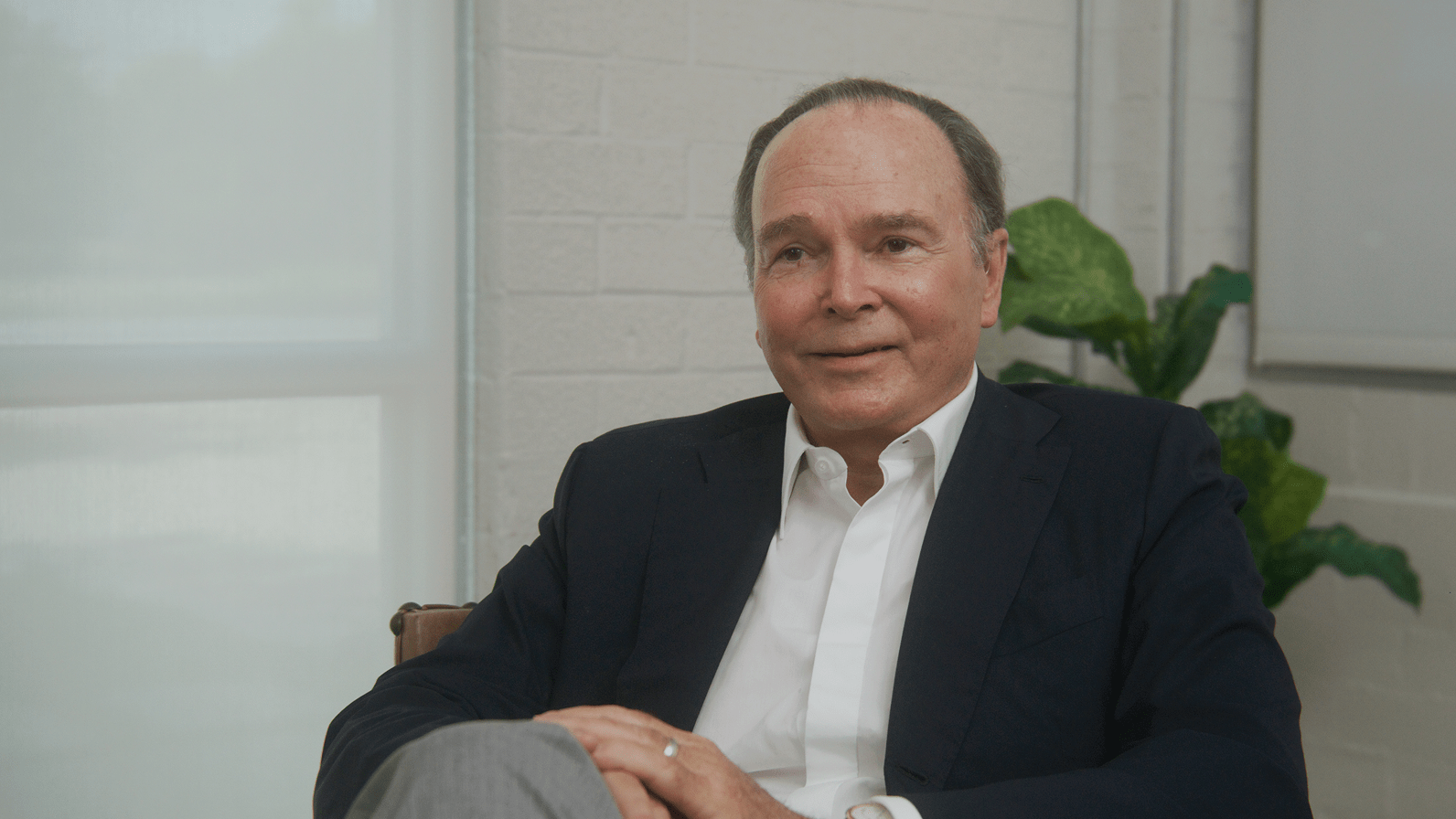
When the Diagnosis Became Stage 4
Initially, Ed and his wife, Brenda, approached the diagnosis one step at a time. They knew other people who had been treated for prostate cancer and were doing well, so they focused on understanding the options in front of them.
Then, on December 2, everything changed.
Ed and Brenda were called into an early morning appointment and told that Ed was no longer a candidate for surgery because the cancer had metastasized. When Brenda finally asked what stage they were dealing with, the answer was Stage 4.
“That was the defining day,” Brenda remembers. “This is a different journey.”
For Ed, who still felt healthy and had never experienced symptoms, the severity of the diagnosis was difficult to reconcile with how he felt physically.

A Personal Connection to Immunocine
Soon after Ed’s diagnosis, Brenda connected with a friend from Bible study whose partner, Brian, had gone through treatment at Immunocine and was doing remarkably well. Hearing about his experience prompted Ed and Brenda to learn more.
At an appointment with Ed’s oncologist on Christmas Eve, Ed and Brenda brought up the Immunocine Dendritic Cell Treatment (IDCT) and shared information about the science behind the approach.
His oncologist was open to learning more. After reviewing the information, she supported Ed’s decision to move forward.
For Ed, the concept behind the treatment also resonated.
“I believed that if you gave your body a shot at rebuilding how it’s supposed to work, it could work.”

A Different Kind of Treatment Experience
Ed traveled to Cancun to begin treatment on April 1. Like many patients traveling outside the United States for cancer care, he had some expectations about what the experience might be like. Most of them turned out to be wrong.
“I’ve never been treated nicer ever in the medical establishment,” Ed says.
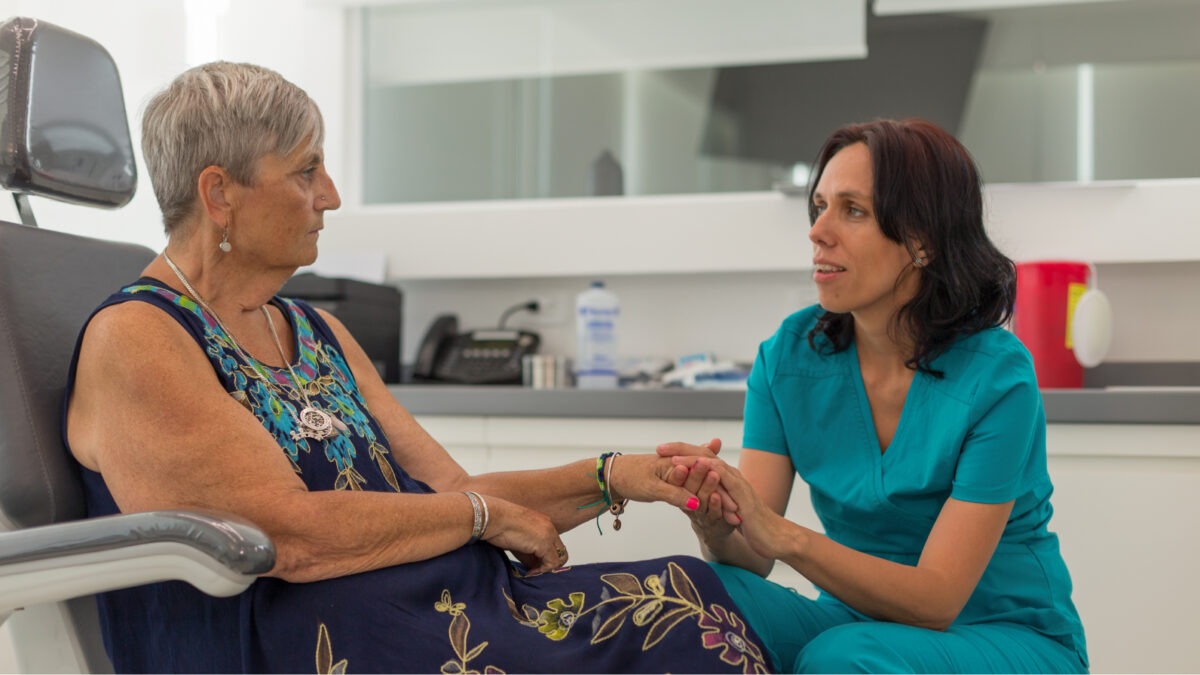
He remembers never feeling rushed and always having time to ask questions. The doctors were accessible, compassionate and focused on him as an individual.
Even the treatment itself was less intimidating than Ed had imagined. He jokes that he had pictured a “big old horse needle,” only to find the experience comparable to the discomfort of a flu shot.
More than anything, it was the personal attention that stayed with him.
“I felt like I had a second family down there.”

The Hardest Part: Waiting
Ed completed his treatment on May 20. Then came what Brenda describes as one of the most difficult parts of the entire experience: waiting.
The Immunocine team told them to give the treatment approximately 90 days before evaluating his response.
On August 12, eight days shy of that 90-day mark, Ed underwent another PET scan. Three of the four tumors were no longer detectable, while the remaining tumor had reduced by 70 percent. From being told Ed might have 18 months to live, the results brought an enormous sense of hope.
“I can’t find any cancer,” Ed remembers him saying.
Brenda asked the obvious question: Wasn’t that good news?
It was. In fact, the doctor told them it was the first time he had ever had the opportunity to tell a patient that he could find no evidence of cancer anywhere in the body.
For Ed and Brenda, it was the moment when everything finally felt real.

Finding a Purpose After Cancer
For Ed, life after cancer is about more than getting back to golf, tennis, bird hunting and time with his family. His experience gave him a new sense of purpose and made him think differently about what he wanted to do with the time ahead.
After hearing a message at church that stayed with him, Ed began asking himself whether there was something bigger he was meant to do with his experience. Not long after, he set a clear goal: to help save 1,000 lives in three years.
Today, Ed is still enjoying what he jokes are “way more hobbies than I should,” but he is also focused on sharing his story, helping others understand their options and turning his own experience with cancer into something that may help someone else.
When Ed thinks about life after cancer, his perspective is simple:
“Your life after cancer is whatever you want it to be.”

READ THIS NEXT
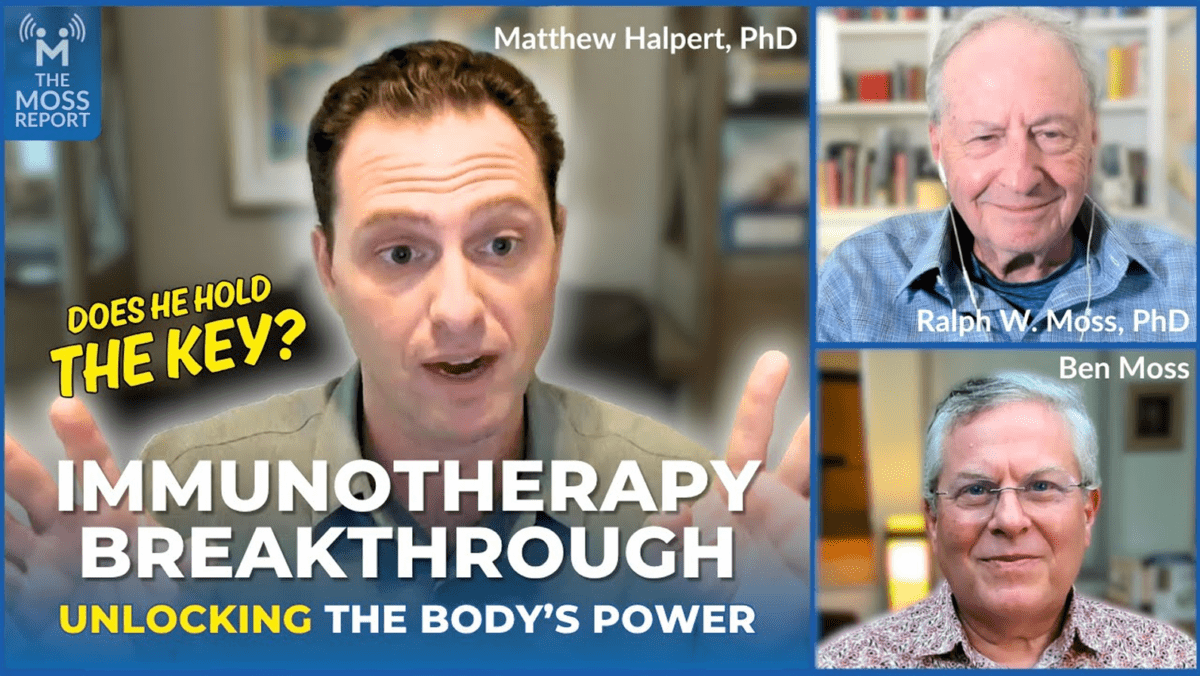
On Air with Immunocine: Dr. Matt Halpert Discusses the Future of Dendritic Cell Immunotherapy on The Moss Report
Matt Halpert, PhD, recently joined Ben Moss and Ralph W. Moss, PhD, on The Moss Report for a wide-ranging conversation about dendritic cell
Read More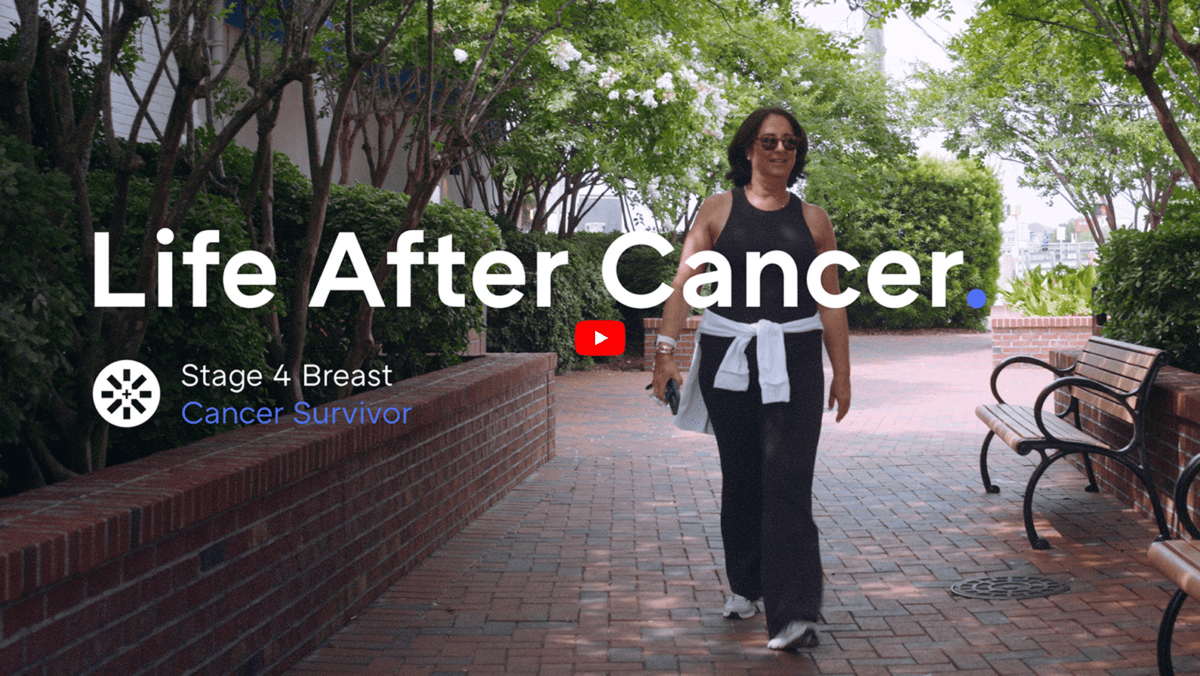
Life After Cancer: Hope’s Stage 4 Breast Cancer Story
Hope and her husband, Phil, were looking forward to retirement and beginning a new chapter together. They talked about spending more time on
Read More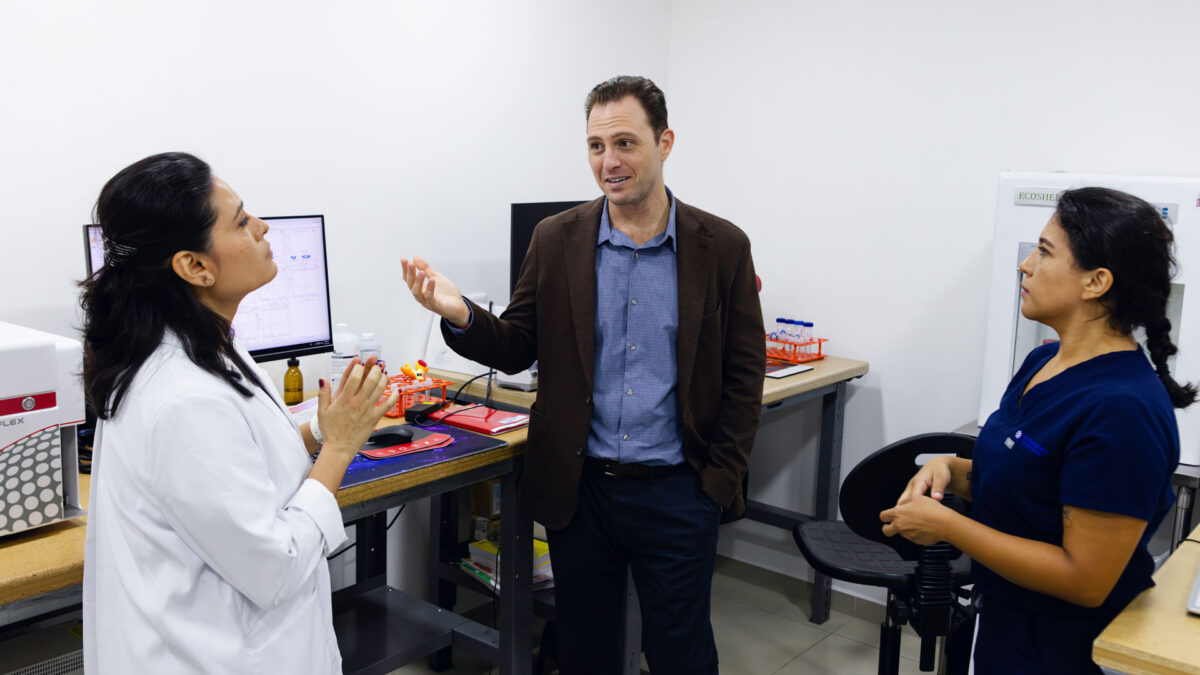
How a Discovery in the Lab Became a New Approach to Cancer Treatment
Every medical innovation has an origin story. For Immunocine, that story begins not in a clinic, but in a research laboratory. In this video
Read More